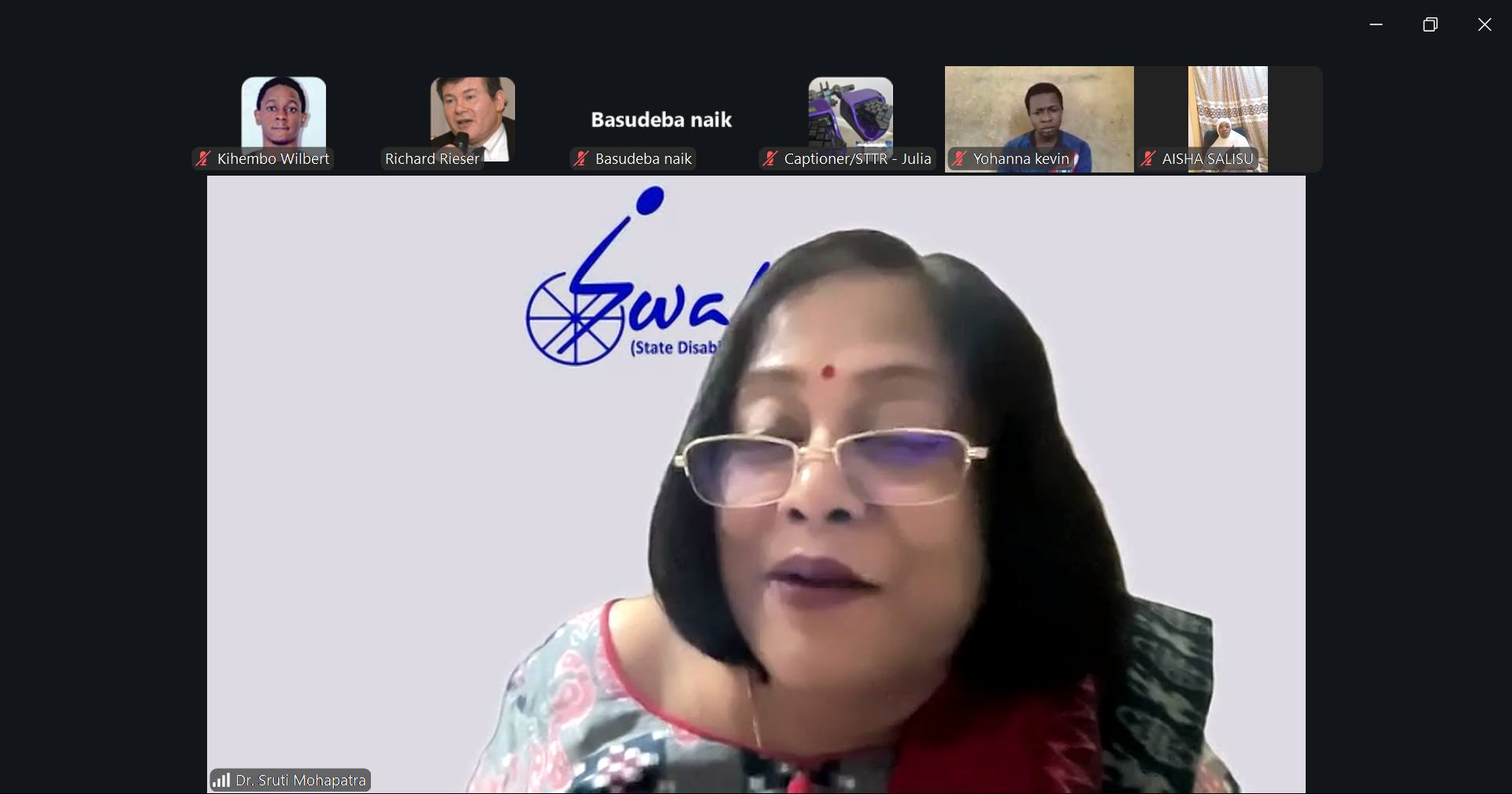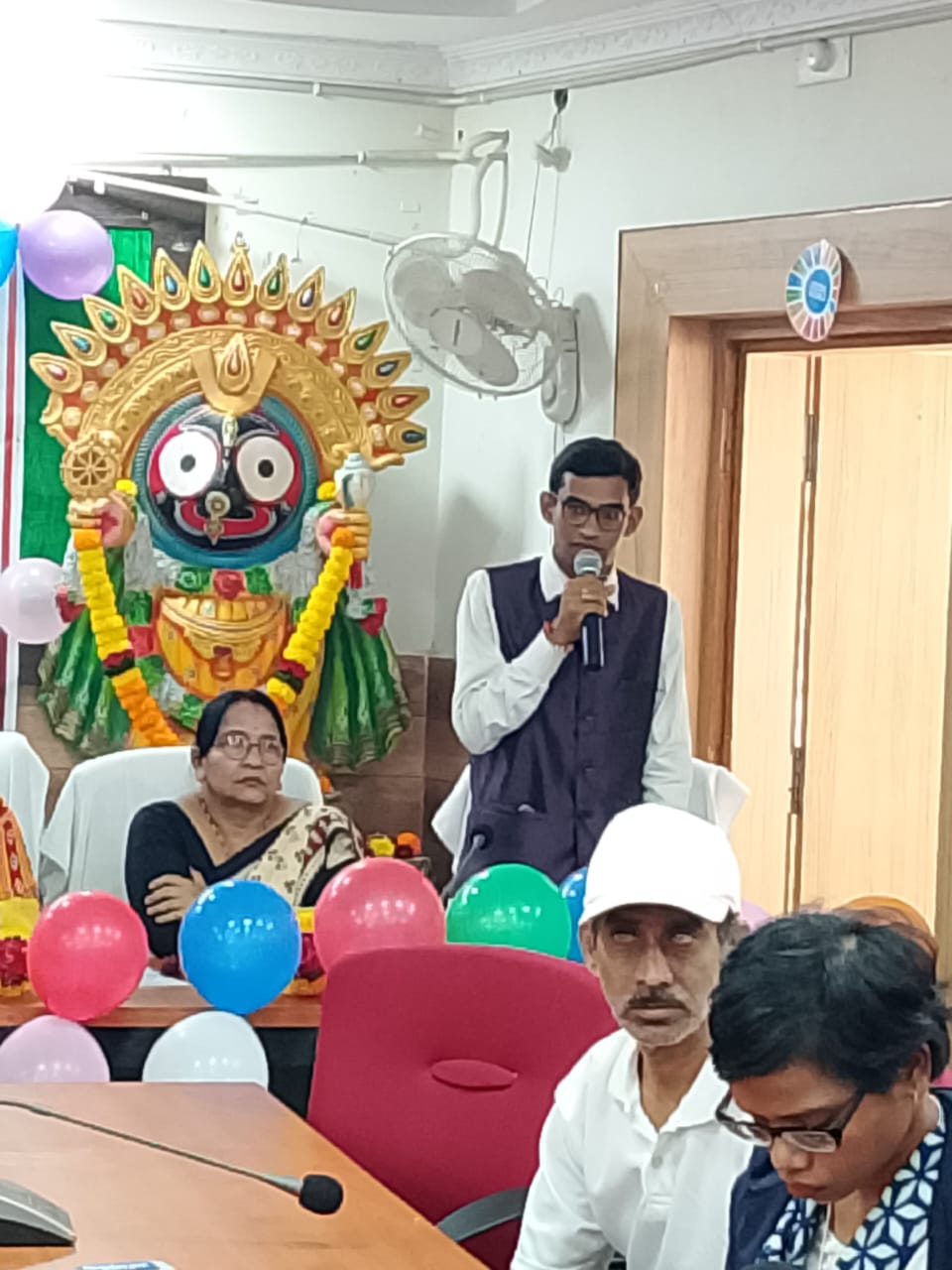
The Commonwealth Disabled Youth Forum proudly shares reflections from the participation of its Secretary, Mr. Sishiro Raulo, at the Celebration of World Braille Day cum 217th Birth Anniversary of Louis Braille, held on 4 January 2026 in Gajapati district, Odisha, India. The programme was organized by SAMARTH Organization of Persons with Disabilities, Gajapati, with support from Sightsavers India and the Centre for Community Development.
World Braille Day is observed every year on 4 January to honor the birth anniversary of Louis Braille, whose invention transformed access to education, communication, and independent living for persons with visual impairment. The observance serves as a reminder that Braille literacy and accessible communication are not privileges, but fundamental human rights. The programme strongly aligned with the principles of the UN Convention on the Rights of Persons with Disabilities and the Sustainable Development Goals 2030.
The event was held at the Zilla Parishad Conference Hall, Gajapati, and brought together government officials, civil society leaders, development practitioners, educators, and persons with disabilities. The theme, “Braille Opens the Door to Education, Dignity, and Independence – Empowering Persons with Visual Impairment through Accessible Communication with Society,” set a powerful direction for the day’s discussions.
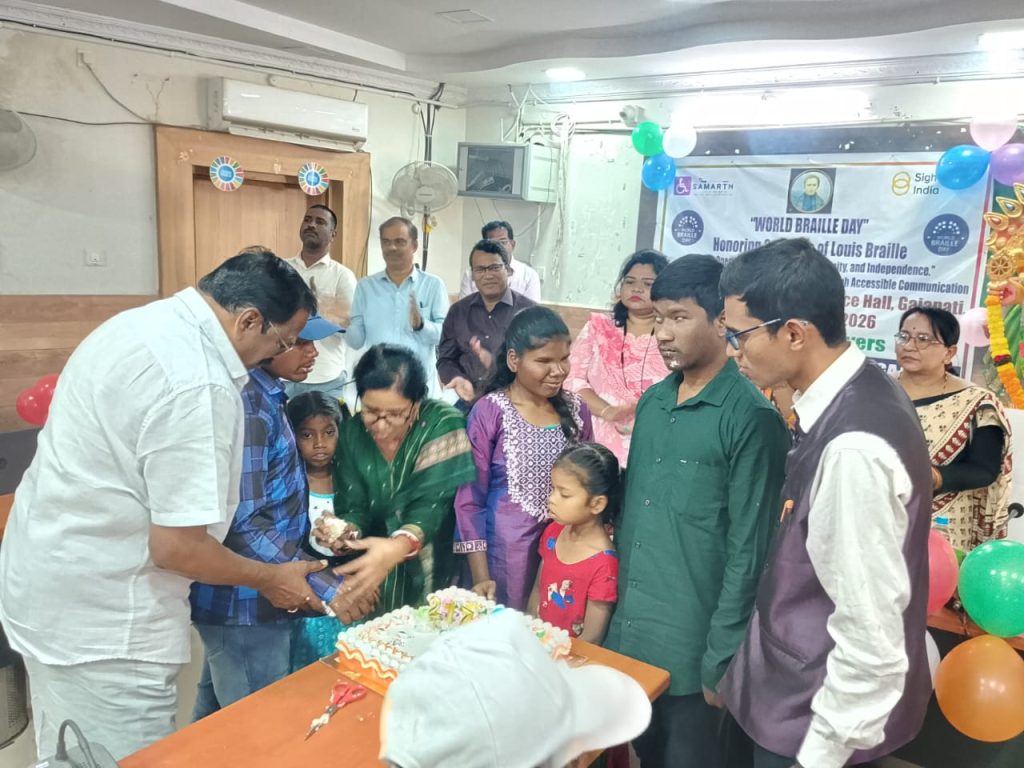
The programme was smoothly facilitated by Mr. Subhransu Sekhar Patnaik from the District Planning and Resource Centre, ensuring inclusive participation and structured dialogue. The inaugural session began with a warm welcome address by Mr. Niranjan Behera, Chairperson of SAMARTH OPD, who highlighted the continuing relevance of Braille in achieving dignity and independence for persons with visual impairment. The ceremonial lighting of the lamp by distinguished guests symbolized knowledge, empowerment, and inclusion, followed by a graceful saxophone welcome performance by Mr. E. Manmad Rao. An overview of the programme was presented by Ms. Sarojini Raita, Governing Body Member of SAMARTH OPD.
A special cake cutting ceremony marked the 217th birth anniversary of Louis Braille, paying tribute to his lifelong contribution to accessible communication. The moment served as both remembrance and inspiration for collective action toward inclusive societies.
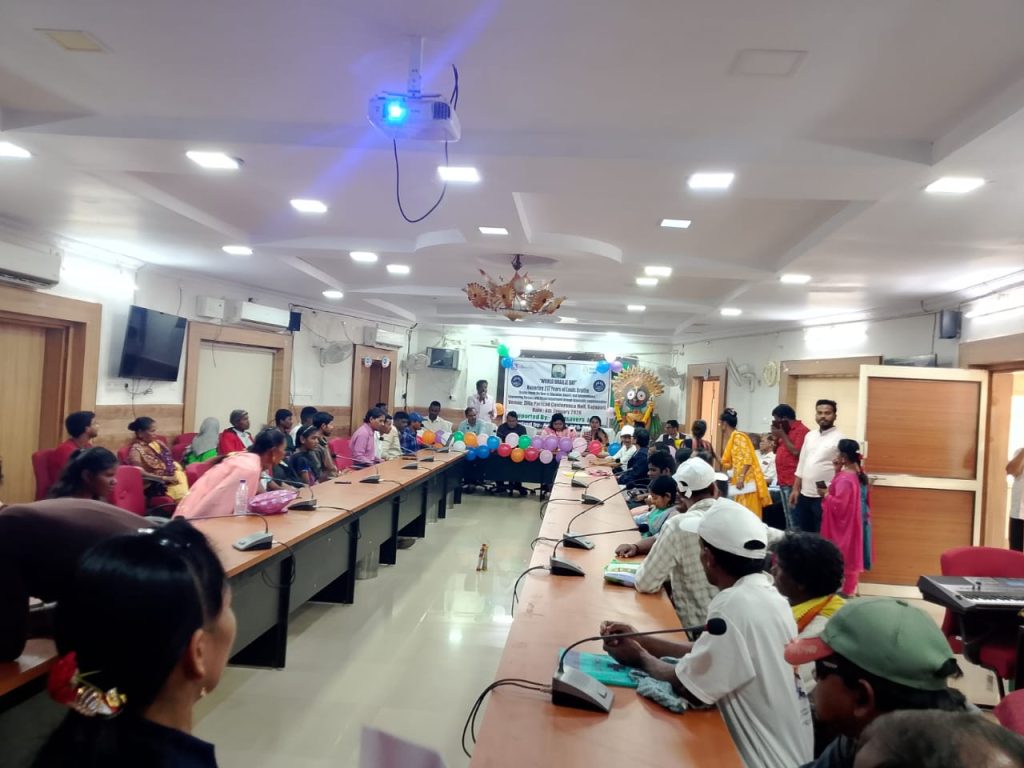
The programme featured a series of insightful addresses from government representatives and disability rights leaders. Speakers highlighted legal safeguards under the RPwD Act 2016, child rights for children with special needs, access to social security schemes, inclusive healthcare services, livelihood opportunities, and the importance of gender-responsive systems for women with disabilities. Across all sessions, a strong emphasis was placed on Braille literacy, assistive technology, inclusive governance, and the need to eliminate social stigma.
Representing the Commonwealth Disabled Youth Forum, Mr. Sishiro Raulo addressed the gathering on global disability inclusion. He spoke about the role of Commonwealth countries in advancing disability rights, the localization of the Sustainable Development Goals, and the effective implementation of the UNCRPD. He emphasized that inclusive education, accessible healthcare, livelihood opportunities, and dignified living must be ensured for persons with disabilities not only at national levels but across the global community.
A citation and felicitation ceremony was organized to recognize outstanding contributions in the field of education and disability inclusion. Mr. Sishiro Raulo was honored for his work in youth leadership and global disability advocacy, reflecting the Forum’s commitment to amplifying the voices of young persons with disabilities.
The programme also included distribution of assistive support. Smartphones were provided to visually impaired students to strengthen digital access and inclusive education, while white canes were distributed to promote independent mobility and safety. These initiatives highlighted the importance of practical support alongside policy dialogue.
The event concluded with a vote of thanks and a shared commitment to promote Braille as a powerful tool of inclusion, strengthen accessible communication, and build a barrier-free and equitable society. The observance reaffirmed that Braille is not merely a reading system, but a pathway to dignity, independence, and full participation in social, economic, and civic life.
The Commonwealth Disabled Youth Forum congratulates SAMARTH OPD and its partners for organizing this meaningful programme and reiterates its global commitment to advancing disability inclusion, youth leadership, and human rights across the Commonwealth and beyond.